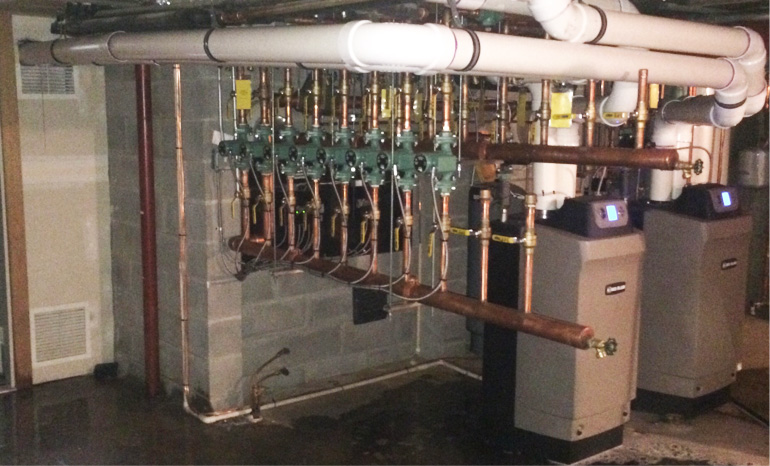
Your gas heating system has been sitting quietly all summer, and now that October is here, it’s time to find out whether it’s actually ready to carry you through the months ahead. For homeowners on Shelter Island, NY, in Quogue, NY, Remsenburg, NY, Riverhead, NY, and across the East End, a heating system that isn’t prepared can mean cold nights, unexpected repair calls, or worse. The good news is that there are clear signs to look for, and a little attention now goes a long way.
Start With a Visual Check Before You Do Anything Else
Before you turn the system on for the first time this season, take a few minutes to look around the unit itself. Check the area around your furnace or boiler for anything unusual: rust, corrosion, water stains on the floor, or soot marks near the burners. Any of these can signal that something needs attention before you run the system under load. Also look at your flue pipe for visible gaps or separation, since a compromised flue is a carbon monoxide concern and should be addressed immediately.
If everything looks clean and intact, go ahead and switch the system on. Listen for how it starts. A short delay before the burners ignite is normal with modern gas heating equipment, but loud banging, rattling, or a system that cycles on and off repeatedly without reaching temperature are signs worth noting.
Pay Attention to How Your Home Heats
Turn the thermostat up a few degrees above room temperature and then walk through your home while the system runs. Are there rooms that never seem to warm up? Cold spots near exterior walls or on upper floors can point to duct issues, insulation gaps, or an undersized system. If you have a ductless mini-split in one of those zones, confirm that unit is also working properly before cold weather settles in for good.
Also pay attention to your heating bills from last winter if you kept them. A significant jump in fuel use without a corresponding change in how you heated your home is often an early sign that the system is working harder than it should, which usually means efficiency has dropped and service is overdue.
Change the Filter and Check the Thermostat
This one sounds simple, but a clogged air filter is one of the most common reasons gas heating systems underperform. A dirty filter restricts airflow, forces the blower to work harder, and can cause the system to overheat and shut down on a safety limit. Replace it now, and check it again in six to eight weeks.
Your thermostat is worth a close look too. If you have an older programmable thermostat, confirm the programming is still set correctly after any power interruptions over the summer. If the display seems off or the system doesn’t respond the way it should, the thermostat itself may be the culprit rather than the heating equipment.
Know When to Call in a Professional
Some things on this list you can handle yourself, but a full gas heating tune-up really does call for a trained technician. Our NATE-certified technicians have been preparing East End homes for winter for decades, going back to 1968, and we know how the demands of a coastal climate affect HVAC equipment over time. During a professional service visit, we check the heat exchanger for cracks, test gas pressure and combustion efficiency, clean the burners, verify safety controls, and make sure the system is operating within manufacturer specifications.
Homeowners in Riverhead, NY, and throughout the South Fork and North Fork communities often reach out to us this time of year, and for good reason. Catching a small problem in October is almost always simpler and less expensive than a repair call in January. We also offer custom preventative maintenance agreements that keep your system on a regular schedule so you’re not left wondering whether it’s been serviced.
A Few Things That Warrant an Immediate Call
Most issues with gas heating systems are routine, but a few should prompt you to stop using the system and contact us right away. These include the smell of gas near the unit or anywhere in your home, visible flame that is yellow or orange rather than a steady blue, carbon monoxide detector alerts, or any sign of a gas leak. In situations like these, leave the home, ventilate if it’s safe to do so, and call for help. We offer 24/7 emergency service for exactly these situations.
Get Ahead of Winter Before It Gets Ahead of You
October on the East End can turn cold quickly, and a gas heating system that isn’t ready is a problem you don’t want to discover on the first genuinely cold night of the season. A little preparation now, whether that’s a quick self-check or a full professional tune-up, gives you the confidence to go into the winter months knowing your home is covered.
If you have questions about your system or want to schedule a heating inspection, please give us a call or drop us an email. We’re happy to help homeowners across the East End get ready for whatever winter brings.